

Evidence-Based Strategies to Reduce High-Risk Cannabis Use

Excessive cannabis use can cause harm to all aspects of a person’s life, from their career and finances to their health and relationships with others. Though the media often portrays it as harmless, cannabis, or – as it’s often referred to – marijuana, has been found to cause a variety of adverse outcomes, including impaired […]
Understanding and Combating Bullying and Cyberbullying: A 2026 Guide
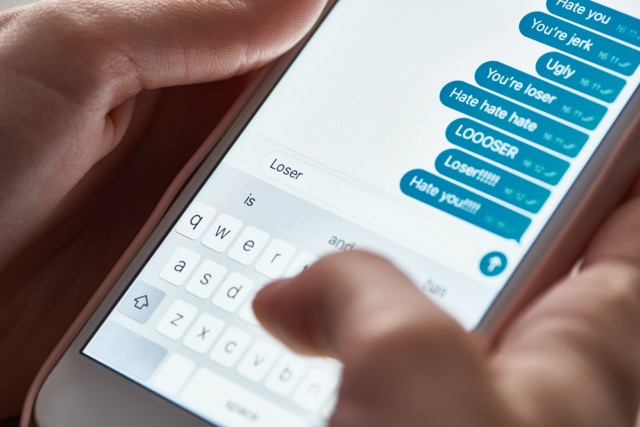
Bullying prevention starts with teaching students how to navigate conflict in healthy, respectful ways. Respect & Resolve and Conflict Wise help learners develop communication, empathy, and conflict-resolution skills that can reduce bullying before it starts. Bullying remains a pervasive issue, not only in schools, colleges, and workplaces, but also within homes and digital spaces. […]
National Recovery Month Guide: Resources, Courses, and Support That Work

Every September, communities across the U.S. unite to celebrate National Recovery Month, recognizing the strength of individuals in recovery and the providers who support them. This month is also a call to action: to reduce stigma, educate the public, and expand access to prevention and treatment services that save lives. Our online interventions are designed […]
What are Opioids?

The opioid epidemic continues to devastate families and communities across the United States. As of 2024, more than 80,000 lives are lost each year to opioid overdoses—that’s over 219 deaths every single day. This ongoing crisis affects people of all ages, backgrounds, and geographic areas.
Why Compassionate Responses to Truancy Work

Traditional punitive approaches often fail to address the reasons students miss school. Learn how Truancy 101 helps students understand the impact of chronic absenteeism and take responsibility for improving attendance. Truancy When students stop showing up to school, it’s easy to label the behavior as defiance or lack of motivation. But what if we responded […]
Student Truancy and Chronic Absenteeism: Causes, Interventions, and Solutions
What Is Truancy? Truancy refers to unexcused absences from school and is a leading indicator of long-term academic and social disengagement. Chronic absenteeism remains a nationwide crisis, with roughly 10.8 million K–12 students estimated to be chronically absent during the 2024–25 school year—still far above pre-pandemic levels (Diliberti, 2025). Unlike excused absences due to illness […]
Hazing & Hosting: How Our Research-Based Course Helps Colleges Comply with the Stop Campus Hazing Act

Looking for a practical way to meet the requirements of the Stop Campus Hazing Act? 3rd Millennium Classrooms’ Hazing & Hosting course provides comprehensive, research-based hazing prevention education that helps institutions promote student safety, strengthen policy awareness, and build a culture of accountability. Learn how our customizable solution can support your campus compliance efforts. In […]
What is Social-Emotional Learning (SEL)?

Social Emotional Learning (SEL) helps students develop self-awareness, emotional regulation, relationship skills, and responsible decision-making. Research shows SEL can improve academic outcomes, student behavior, and school climate.
Evidence-Based Strategy for Behavior Change: Challenging Expectancies

All of 3rd Millennium’s courses are grounded in evidence-based strategies that drive behavior change. One of the most effective—but often under-appreciated—of these is a psychological technique called Challenging Expectancies. This approach addresses a critical question behind most risk-related behaviors:“What do I expect to happen if I do this?” Understanding—and reshaping—these expectations is often the key […]
Open the Conversation: Talking About Mental Health with Your Students

Starting conversations about mental health can make a lasting difference in a student’s well-being. Wellbeing 101 helps students build emotional awareness, develop healthy coping strategies, and strengthen the skills needed to navigate life’s challenges. As educators and adults in students’ lives, we can’t afford to shy away from talking about mental health. In fact, we […]