

AI in Education: Benefits, Concerns, and Practical Applications
Artificial intelligence is quickly becoming a fixture in today’s classrooms, offering new ways to personalize learning, improve accessibility, and streamline administrative tasks. As educators increasingly incorporate AI into instruction, students must learn not only how to use these tools effectively but also how to use them responsibly. Our Academic Integrity course helps students understand the […]
Signs of Teen Substance Use

We all know that adolescence can be a challenging phase, and sometimes teens turn to drugs or alcohol as a coping mechanism. As a parent, it can be scary to consider that your child may be drinking, vaping, or using drugs. Are you aware of the common issues that teens face? While teen mood swings are […]
Why Compassionate Responses to Truancy Work

Traditional punitive approaches often fail to address the reasons students miss school. Learn how Truancy 101 helps students understand the impact of chronic absenteeism and take responsibility for improving attendance. Truancy When students stop showing up to school, it’s easy to label the behavior as defiance or lack of motivation. But what if we responded […]
What is Social-Emotional Learning (SEL)?

Social Emotional Learning (SEL) helps students develop self-awareness, emotional regulation, relationship skills, and responsible decision-making. Research shows SEL can improve academic outcomes, student behavior, and school climate.
Promoting Student Wellness – How Educators Can Help

Student wellness doesn’t happen by chance. Wellbeing 101 helps students build self-awareness, strengthen coping skills, and develop healthy habits that support academic and personal success. Today’s students face an increasingly complex set of challenges that affect their emotional, social, and academic lives. From social pressures and family responsibilities to mental health struggles and academic stress, […]
Effects of Cannabis on the Adolescent Brain
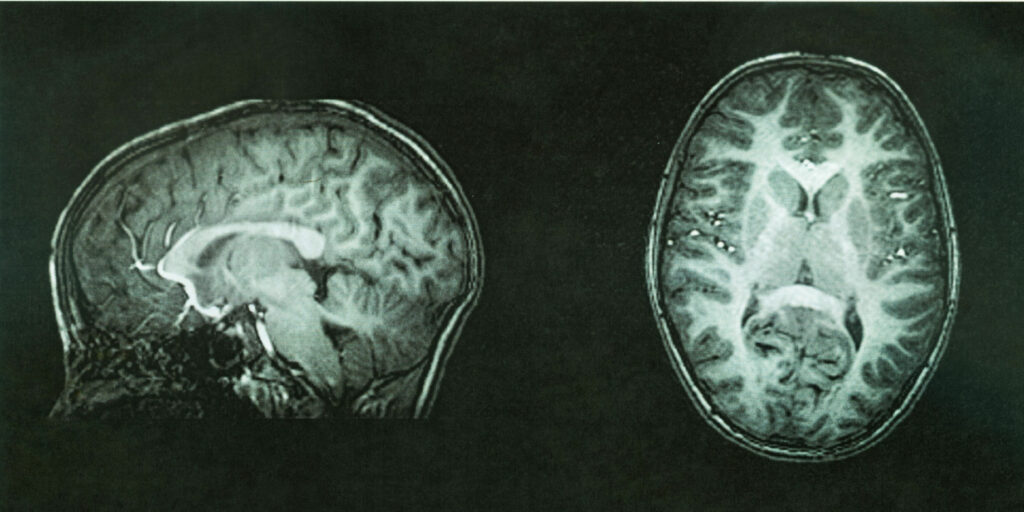
There has been considerable debate in recent years over the risks of cannabis use, particularly among young people. While many advocates have argued that cannabis has few adverse effects and can even be beneficial in certain cases, scientific research has shown that this drug can cause a wide range of negative outcomes, including cognitive impairment […]
Trauma-Informed Schools: Helping Traumatized Students Succeed
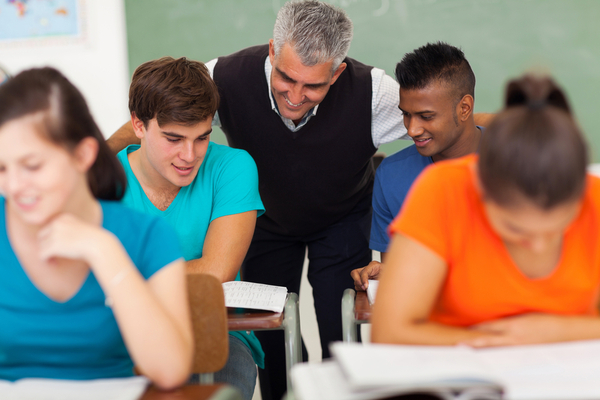
Creating a trauma-informed school means helping students feel safe, respected, and connected. Building strong relationships and teaching students how to navigate conflict productively are key components of this work. 3rd Millennium Classrooms’ Conflict Wise and Respect & Resolve courses give students practical skills for communication, conflict resolution, empathy, and healthy relationship-building—helping schools foster a more […]
7 Things We’ve Learned in 25 Years in Behavioral Health
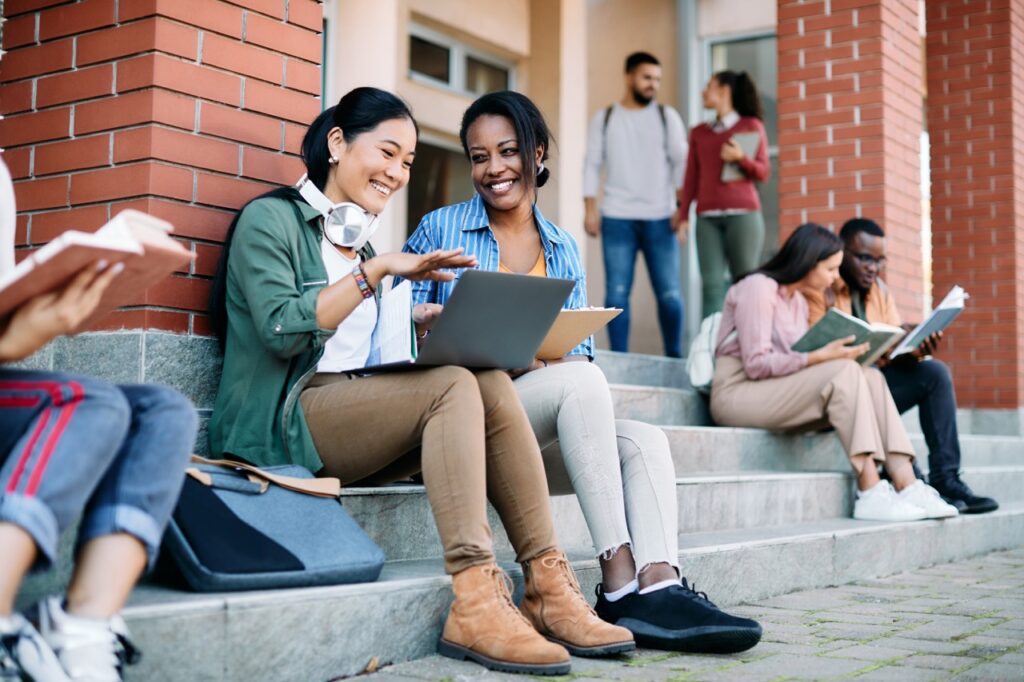
As we celebrate 25 years of service in behavioral health, we’re taking this milestone as an opportunity to reflect on the valuable lessons we’ve learned along the way. We’ve worked with over 4 million individuals in thousands of colleges, secondary schools and courts/agencies in the country. Here are seven essential insights from our journey: 1. […]
How Parent-Child Relationships Impact Students

Why Parent-Child Relationships Matter for Student Success Parents and guardians play a vital role in their child’s development, in more ways than you may imagine. From an early age, the parent-child relationship influences kids–for better or for worse–across school, home, and other environments. Research shows that when there is a better parent-child relationship, students are […]
Why Prevention Education Helps Secondary Students

As the summer unfolds, administrators are proactively seeking new prevention solutions for the upcoming school year. Summer is the perfect time to prepare for the challenges that lie ahead, ensuring that students are equipped with the skills and support they need to thrive.