HELP STUDENTS SEE

THE FULL PICTURE OF SUBSTANCE USE

Understand how alcohol can interact with other substances and how evidence-based intervention can help students recognize risk, reflect on their choices, and make more informed decisions.

SEE HOW YOUR INSTITUTION CAN REDUCE DRUG VIOLATIONS

Explore the course yourself and see how Other Drugs can help your institution address substance-related violations, support healthier student choices, and reduce repeat incidents without adding more to your staff’s workload.

 
USED BY INSTITUTIONS NATIONWIDE TO SUPPORT INTERVENTION AND COMPLIANCE

WANT TO LEARN MORE BEFORE SCHEDULING A DEMO?

Explore how Other Drugs helps students understand the effects, risks, and consequences of prescription and illicit drug misuse while reflecting on the attitudes, behaviors, and decisions that influence their substance use.

Students may not understand how alcohol can interact with prescription medications and other substances, or how combining them can change their effects and risks.

Common risks can include:

  • Alcohol intensifying the effects of certain substances
  • Some substances masking feelings of alcohol impairment
  • Increased health and safety risks when substances are combined
  • Unpredictable effects depending on the substances involved

Helping students understand these interactions can support more informed decisions and strengthen substance education and intervention efforts.

UNDERSTAND THE RISKS BEHIND THE MIX

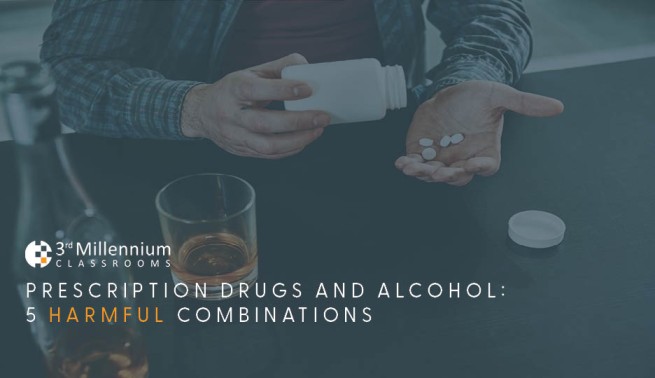
Download the guide to better understand how alcohol interacts with other substances and support student education, intervention, and referral.
WHAT YOU’LL LEARN IN THIS GUIDE:
  • Key information on five substance categories, including opioids, depressants, stimulants, hallucinogens, and marijuana
  • How alcohol can interact differently with each substance and alter its effects
  • Health and safety risks associated with mixing substances, including increased impairment and other serious consequences
  • Why some combinations can mask or intensify effects, making risks harder to recognize
  • How better substance education can support prevention and intervention