Introduction: Why the 2018 Farm Bill Matters for Administrators
The 2018 Farm Bill has become one of the most impactful laws affecting schools, courts, and public agencies today. While originally intended to support agriculture, it has created widespread implications for student safety, legal enforcement, compliance standards, and institutional policy.
For administrators, the reality is clear. The rise of hemp-derived THC products, evolving state laws, and regulatory loopholes have created a system that is difficult to navigate without proper training. Schools are encountering increased student access to intoxicating products, courts are facing legal ambiguity, and agencies are working to enforce policies that are often outdated.
Our intervention course, THC 101, and prevention course, Cannabis Wise, equip educators with the clarity and confidence they need to help students navigate today’s cannabis landscape effectively.
What the 2018 Farm Bill Did: Hemp vs Marijuana Explained
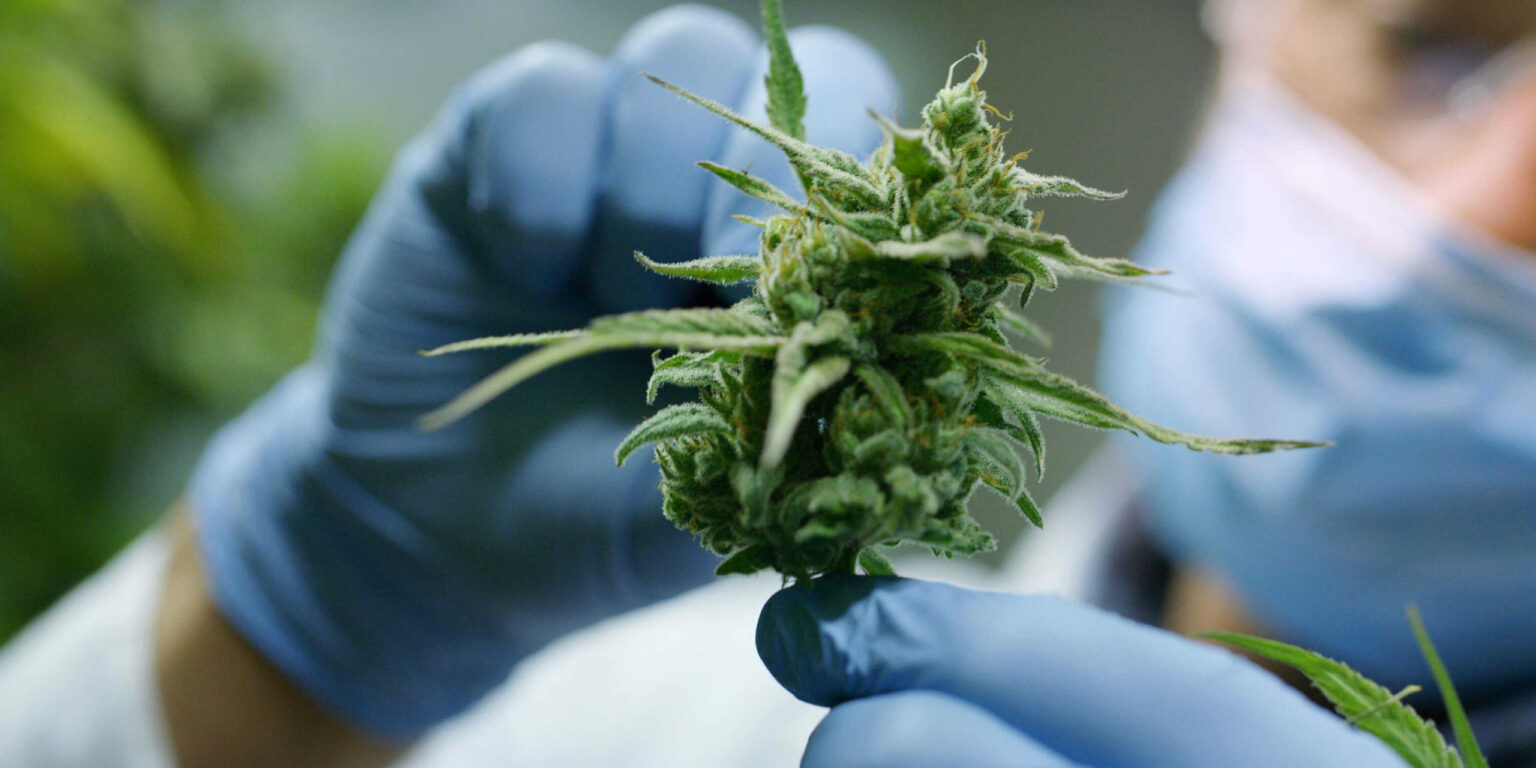
The Agriculture Improvement Act of 2018, commonly known as the 2018 Farm Bill, legalized hemp at the federal level and defined it as cannabis containing less than 0.3% Delta 9 THC by dry weight. Cannabis exceeding that threshold remains classified as marijuana and is still federally illegal.
This distinction removed hemp from the Controlled Substances Act and allowed hemp-derived products like CBD to enter the mainstream market.
However, the law’s narrow focus on Delta 9 THC created a gap that has since evolved into one of the most significant regulatory challenges facing administrators today.
The THC Loophole: A Growing Compliance Challenge
One of the most critical issues tied to the 2018 Farm Bill is the THC loophole. Because the law only restricts Delta 9 THC, manufacturers began producing alternative cannabinoids such as Delta 8, Delta 10, and THC O.
These substances are often derived from hemp but remain psychoactive and intoxicating.
This has created a booming market of products that appear legal under federal law, are widely accessible in retail environments, and often lack consistent regulation.
For schools, courts, and agencies, this creates a serious disconnect between legal definitions and real-world impact. This gap also affects students, who are navigating a confusing and rapidly changing cannabis landscape without clear guidance. Understanding these challenges is not intuitive, which is why many organizations are implementing 3rd Millennium’s Cannabis Wise and THC 101 courses to ensure both staff and students can better understand, interpret, and respond to these laws effectively.
Real World Impact on Schools, Courts, and Agencies
The impact of the 2018 Farm Bill on schools and courts is immediate and ongoing. Administrators are encountering products that are difficult to identify, regulate, and address within existing frameworks. Students may access THC-infused products disguised as everyday items, creating new challenges for school safety and discipline.
Courts must evaluate cases where legal definitions are unclear, while agencies must enforce laws that vary significantly by state. Enforcement is further complicated by the fact that hemp and marijuana are nearly indistinguishable without lab testing. These challenges require more than policy. They require education.
This is why forward-thinking institutions are adopting 3rd Millennium’s Cannabis Wise and THC 101 courses to create a consistent understanding across teams and improve real-world decision-making.
State Hemp Laws: Why Administrators Must Stay Updated
Although the 2018 Farm Bill established a federal framework, states have taken different approaches to regulating hemp and THC products. Some follow the original guidelines, while others have adopted stricter rules, including total THC standards and product bans.
This fragmented system increases the risk of confusion and inconsistent enforcement. Administrators must stay informed as conditions continue to evolve. While no single program can replace ongoing oversight, 3rd Millennium’s Cannabis Wise and THC 101 courses provide a strong foundation in hemp, THC distinctions, and policy considerations, helping organizations make more informed decisions and build more effective internal policies.
Stricter State Regulations: Texas as a Leading Example
Some states, including Texas, have responded to gaps in the 2018 Farm Bill by significantly tightening restrictions on hemp products, including banning entire product categories like vapes and smokable hemp.
While these efforts are intended to improve safety, they can also introduce new and often overlooked risks. When widely used legal products are removed from the market, demand does not disappear. Instead, it often shifts toward unregulated or illegal sources where there are fewer safeguards in place.
This shift can expose individuals to products that are mislabeled, improperly dosed, or contaminated. Without consistent testing, packaging standards, or oversight, consumers may not know what they are using or how potent it is. For younger populations, this risk is even greater, as products obtained through informal channels are less likely to have any safety controls, as well as products that can “mimic candy or soda, blurring the line between snack and drug” (Lewis, 2025).
For schools, courts, and agencies, this creates a more complex and potentially more dangerous environment. Instead of dealing with regulated products that follow consistent standards, administrators may encounter a wider range of unpredictable substances, making enforcement harder and increasing safety concerns.
This is where education becomes critical. 3rd Millennium’s Cannabis Wise and THC 101 courses help administrators understand not just what products exist, but how shifting regulations and market responses can create new risks. By building a stronger foundation of knowledge, organizations are better equipped to make informed decisions, improve consistency, and respond to real-world challenges with greater confidence.
Public Safety Risks and Institutional Liability
The expansion of hemp-derived THC products has introduced significant public safety risks. Many products on the market have inconsistent potency, unclear labeling, and limited oversight. Some are designed to resemble candy or beverages (Lewis, 2025), increasing their appeal to younger populations.
As regulations tighten, demand often shifts toward unregulated markets or synthetic alternatives, increasing exposure to potentially dangerous substances.
For institutions, this creates increased liability and operational risk. Addressing these challenges requires more than awareness. It requires structured training. This is why many organizations are proactively implementing 3rd Millennium’s Cannabis Wise and THC 101 courses as part of their compliance strategy.
Why 3rd Millennium’s Cannabis Wise Course Is Essential
A major gap in addressing the impact of the 2018 Farm Bill is the lack of formal training for administrators. Policies alone are not enough. Staff must understand how to interpret and apply them in real-world situations.
3rd Millennium’s Cannabis Wise and THC 101 courses is specifically designed for schools, courts, and agencies. It provides clear education on hemp laws, THC loopholes, compliance strategies, and policy development. Organizations that promote and adopt these courses benefit from improved consistency, reduced risk, and stronger leadership alignment.
Strategic Approach: How to Stay Compliant and Proactive
To manage the challenges created by the 2018 Farm Bill, institutions must take a proactive approach. Education should be the first priority, ensuring that leadership and staff have a shared understanding of current laws and risks.
Implementing 3rd Millennium’s Cannabis Wise and THC 101 courses across your organization creates that foundation. From there, policies should be updated to reflect modern realities, and communication should be strengthened to ensure clarity across all stakeholders.
Institutions that invest in training and strategy are far better positioned to adapt to ongoing legal changes and maintain safe, compliant environments.
Frequently Asked Questions (FAQ)
Is hemp legal in schools and public institutions?
Hemp is federally legal, but schools and agencies can restrict its possession and use through internal policies.
What is the THC loophole in the 2018 Farm Bill?
The law only regulates Delta 9 THC, allowing other intoxicating cannabinoids like Delta 8 to exist in a legal gray area.
Are Delta 8 and similar products legal?
Legality varies by state. Some states allow them, while others have banned or restricted them.
Why is enforcement so difficult?
Hemp and marijuana are nearly identical in appearance and smell, making it hard to distinguish without lab testing.
How can schools and agencies reduce risk?
By updating policies, enforcing rules consistently, and implementing training like 3rd Millennium’s Cannabis Wise and THC 101 courses.
Conclusion: Leading with Knowledge in a Changing Landscape
The 2018 Farm Bill has reshaped the cannabis landscape, creating new challenges for schools, courts, and agencies. What began as agricultural reform has evolved into a complex system that requires informed and proactive leadership.
Institutions that fail to adapt risk policy breakdowns and increased liability, while those that invest in education can lead with confidence. Implementing 3rd Millennium’s Cannabis Wise and THC 101 courses is one of the most effective ways to ensure your organization is prepared.
In today’s environment, understanding hemp law is not optional. It is essential and organizations that prioritize education will be the ones best equipped to navigate what comes next.
References
Lewis, L. (2025, October 6). The “farm bill high”: How a hemp oversight sparked a gray-market boom. Progressive Policy Institute. https://www.progressivepolicy.org/the-farm-bill-high-how-a-hemp-oversight-sparked-a-gray-market-boom/