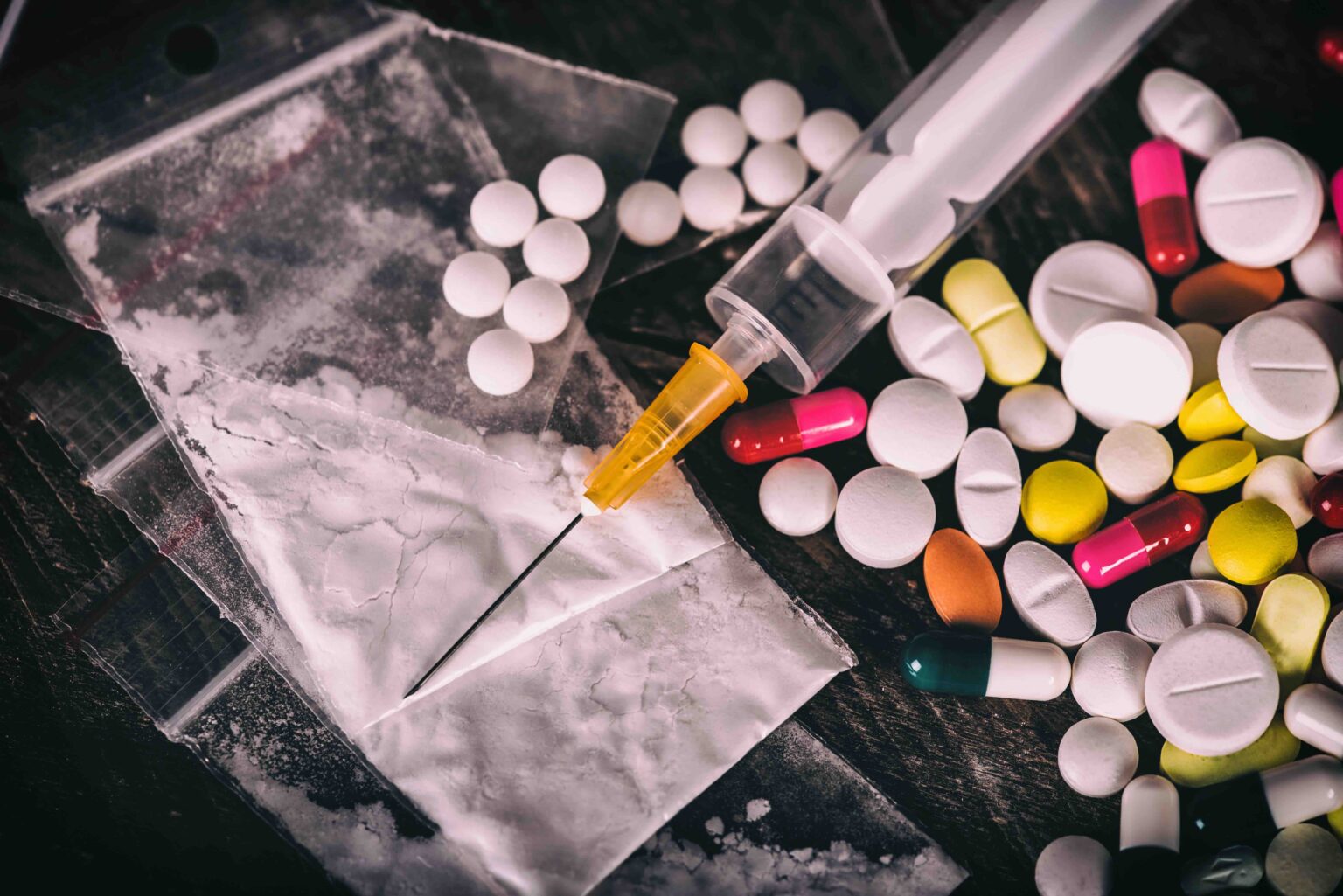
Other Drugs is an intervention offered by 3rd Millennium Classrooms for students with current or past experiences with illicit drugs and/or prescription misuse. It can be used as a prevention course, especially for younger populations who may be faced with peer pressure to start using illicit prescription drugs. Other Drugs covers the main drug classes of: opiates, depressants, stimulants, and hallucinogens, including commonly misused prescription medications, such as Adderall, Ritalin, Vicodin, Oxycontin, Xanax, and Ambien. We have also recently updated our course to educate students and individuals on opioid and fentanyl education, overdose-prevention guidance, information on naloxone, counterfeit pills, fentanyl test strips, and emerging synthetic opioids, substance use and mental health, and warning signs of a mental health crisis, including support resources
Other Drugs provides personalized feedback and addresses risks, effects, and consequences to the individual in a motivational interviewing style. It helps the individual recognize and reflect upon their beliefs, attitudes, and behaviors. A personalized and confidential MY SUMMARY REPORT is provided upon course completion. In a counselor/coach setting, the MY SUMMARY report acts as a conversation starter and can be used to determine appropriate levels of treatment and intervention.
Use for Prevention or Intervention Situations
Other Drugs has two tracks, so it is ideal for use as a prevention course for large groups that would benefit from education on the risks of prescription drug misuse, signs of use and overdose, and sections that cover risk perception and norms correction.
Other Drugs can also be used as an intervention course for individuals who have experienced misusing prescription or illicit drugs. In this track, users will go through sections that help them identify the consequences of use, reasons for using, and steps for making a plan for change.
Course Learning Outcomes
After taking Other Drugs, the individual will be able to:
- Identify personal strategies for avoiding prescription drug misuse
• Debunk myths regarding effects of stimulants and better learning
• Recognize that peer use is less common than typically perceived
• Understand the dangers of sharing prescription medication
• Understand the mental, physical, and emotional effects associated with the four main categories of
psychoactive drugs
• Recognize symptoms of addiction, tolerance, and dependence for each drug category
• Recognize signs and stages of withdrawal for each drug category
• Analyze both classic and dissociative hallucinogens and their differing effects on brain and body
• Understand the dangers of mixing psychoactive drugs
• Identify possible gateway drugs and the correlation between early use and higher addiction rates
• Identify personal reasons for drug use
• Recognize the importance of making a change to lessen or end personal drug use
• Identify personal triggers for use and develop a plan to deal with triggers and cravings
• Develop a personalized strategy for making a change in drug use
• Understand the effects depressants have and what that means for tolerance build up and addiction
• Recognize signs of overdose and appropriate intervention actions for each drug category, including
the use of Naloxone for opioids
• Explain how prescription drug misuse can lead to tolerance, dependence, withdrawal, and an increased
risk of using stronger or illicit substances
• Describe how early substance use, peer use, and access to substances can increase the risk for later
misuse or dependence
• Identify current fentanyl-related trends and risks, including signs of overdose, fentanyl contamination,
and counterfeit pills
• Recognize the connection between substance use and mental health concerns
• Understand warning signs and next steps for individuals in a mental health crisis or at risk of suicide
3rd Millennium Classrooms offers Other Drugs in Court, College, and Secondary versions. Visit 3rd Millennium Classrooms to request a demo of the course, sign up, or get more information today.