

Evidence-Based Practices: Normative Perceptions

At 3rd Millennium, we use evidence-based practices in all of our courses. One of these practices is to address Normative Perceptions.
6 Resources for Veteran Mental Health

From everyone at 3rd Millennium Classrooms, we want to say a huge thank you to everyone who is serving or has served in the United States Armed Forces for your dedication and service to our country! We are forever indebted to the sacrifices you have made.
Course Highlight: Respect & Resolve

Do you have students that are struggling with self-esteem? Not sure about how to handle relationships? Dealing with coercive behaviors from boyfriends or girlfriends? Are you looking for a way to meet your school’s health and wellness education requirements? Wondering how best to prepare them for healthy relationships and train them to be more than […]
How To Have An Intentional Thanksgiving

While the Thanksgiving holiday can be an exciting time filled with friends and family, it can also be hard to connect with loved ones in the busyness of the season. This year, take time to be intentional about spending time with friends and family. Here are five ways you can make your Thanksgiving about more […]
Evidence-Based Practices: Risk Perception

At 3rd Millennium, we are committed to providing the best possible solutions for your students and clients. One of the ways we do this is by incorporating evidence-based practices into our courses. One of these practices is Risk Perception.
Get Involved: Anti-Trafficking Resources

Over the past couple of years, 3rd Millennium Classrooms has been working with subject-matter experts to provide human identification and intervention training and resources. In honor of Human Trafficking Awareness & Prevention month, we wanted to provide you with a list of our most-used collateral!
Human Trafficking Isn’t Just a ‘Super Bowl Problem’

Super Bowl Sunday is coming up! And with it comes up the press and media coverage associated with large-scale sporting events. You might be seeing something on the news about how “the Super Bowl is the world’s largest human trafficking event in the world.”
More Than ‘Just Say No’
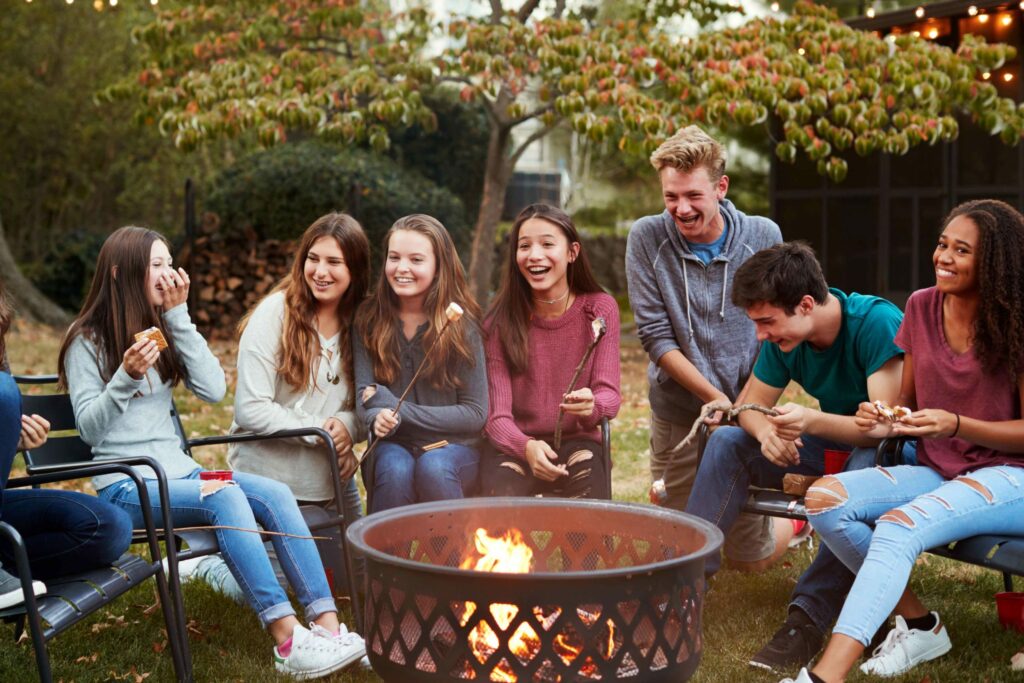
With Spring Break coming up, the likelihood that underage individuals will be exposed to drinking increases. While young adults probably know about the dangers of drinking, standing up to peer pressure is hard. They want to fit in. They don’t want to be the only person not drinking. Having an answer other than just “no” […]
Back to School Safety Checklist: Healthy Relationships Under Title IX

As you start to plan for the new school year, it’s important to keep in mind the safety of your students. One way you can do that is to help them identify the characteristics of healthy relationships and their rights under Title IX, which prohibit sexual violence, bullying and more.
Get School Year Ready with Online Title IX Training

Title IX is a federal law that prohibits sexual discrimination at any educational institution receiving federal financial assistance. This civil right bans sex-based discrimination, which includes sexual harassment and sexual violence. When a student has experienced any of these situations and reports them to the school, the school must stop the discrimination, prevent it from […]