3rd Millennium Classrooms’ online course Other Drugs serves as an intervention for students with drug misuse history. It also functions as a prevention tool, particularly for younger individuals vulnerable to peer pressure regarding illicit prescription drug use.

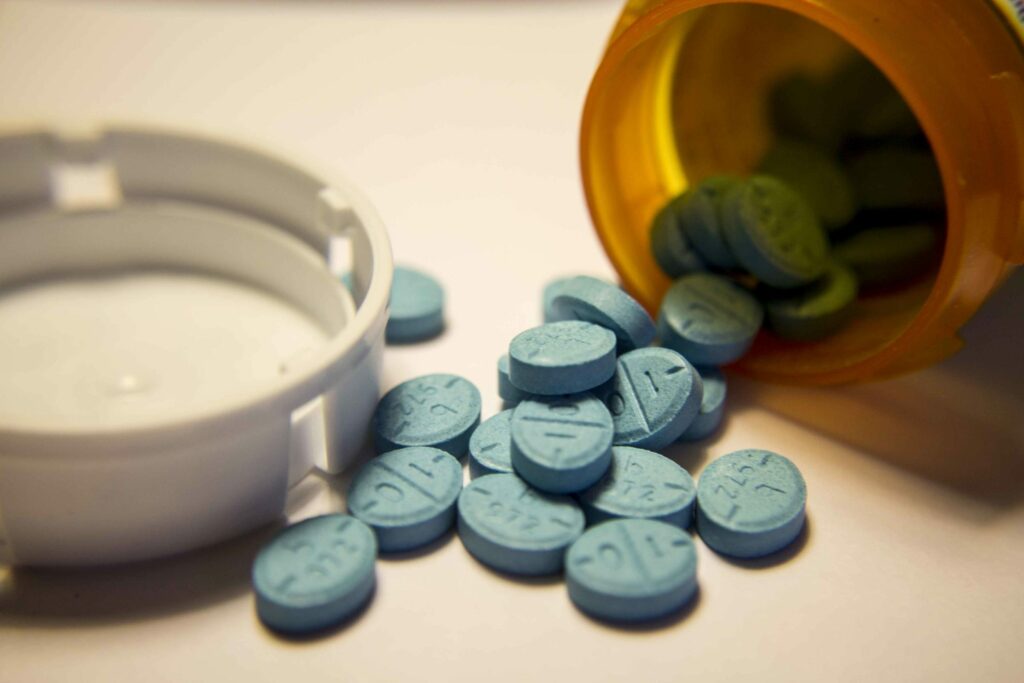
Other Drugs covers the main drug classes of: opiates, depressants, stimulants, and hallucinogens, including commonly misused prescription medications, such as Adderall, Ritalin, Vicodin, Oxycontin, Xanax, Ambien, and Fentanyl.

After taking Other Drugs, the individual will be able to:

  • Identify personal strategies for avoiding prescription drug misuse
  • Debunk myths regarding effects of stimulants and better learning
  • Recognize that peer use is less common than typically perceived
  • Understand the dangers of sharing prescription medication
  • Understand the mental, physical, and emotional effects associated with the four main categories of psychoactive drugs
  • Recognize symptoms of addiction, tolerance, and dependence for each drug category
  • Recognize signs and stages of withdrawal for each drug category
  • Analyze both classic and dissociative hallucinogens and their differing effects on brain and body
  • Understand the dangers of mixing psychoactive drugs
  • Identify possible gateway drugs and the correlation between early use and higher addiction rates
  • Identify personal reasons for drug use
  • Recognize the importance of making a change to lessen or end personal drug use
  • Identify personal triggers for use and develop a plan to deal with triggers and cravings
  • Develop a personalized strategy for making a change in drug use
  • Understand the effects depressants have and what that means for tolerance build up and addiction
  • Recognize signs of overdose and appropriate intervention actions for each drug category, including the use of Naloxone for opioids
  • Explain how prescription drug misuse can lead to tolerance, dependence, withdrawal, and an increased risk of using stronger or illicit substances
  • Describe how early substance use, peer use, and access to substances can increase the risk for later misuse or dependence
  • Identify current fentanyl-related trends and risks, including signs of overdose, fentanyl contamination, and counterfeit pills
  • Recognize the connection between substance use and mental health concerns
  • Understand warning signs and next steps for individuals in a mental health crisis or at risk of suicide

More Articles on Drugs

Prescription drugs poured out of bottle viewing them up close.

BIG ANNOUNCEMENT: UPDATED OTHER DRUGS COURSE

AdobeStock_1271321154 Medium Medium

National Recovery Month Guide: Resources, Courses, and Support That Work

what_are_opioids

What are Opioids?

AdobeStock_972279705 Medium

Why Compassionate Responses to Truancy Work

AdobeStock_1067546024 Medium

Hazing & Hosting: How Our Research-Based Course Helps Colleges Comply with the Stop Campus Hazing Act

Teenage school friends smiling to camera, close up

Common Issues that Teens Face

AdobeStock_286414909 Medium

Evidence-Based Practices: Personalized Feedback

trauma-informed_schools_helping_traumatized_students_succeed

Trauma-Informed Schools: Helping Traumatized Students Succeed